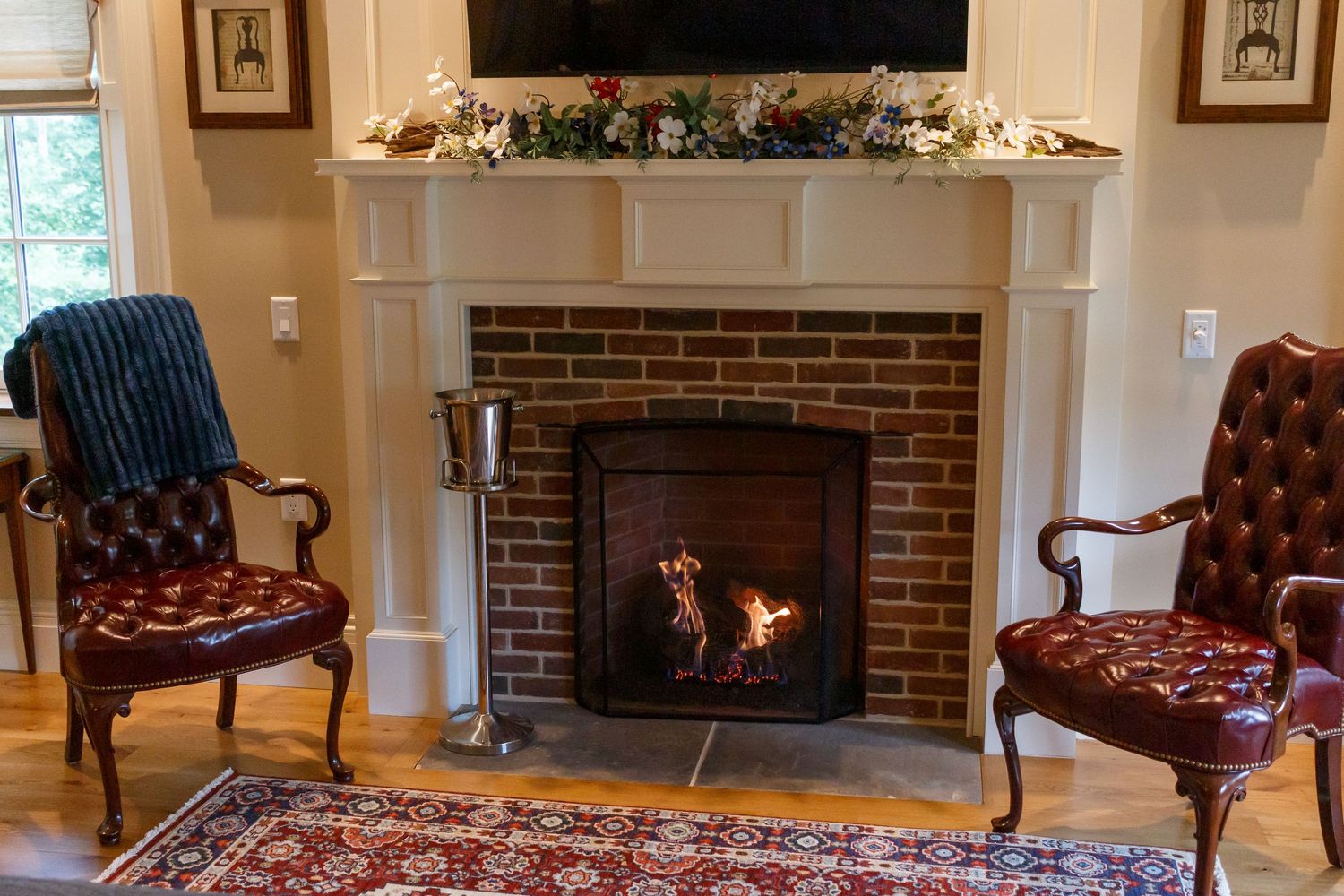
A look inside one of Northeast Ohio’s most historic wedding venues—where 1821 architecture, preservation history, and modern celebrations meet.
Some wedding venues are built for events.
And then there are places like this—where history was already unfolding long before weddings ever arrived.
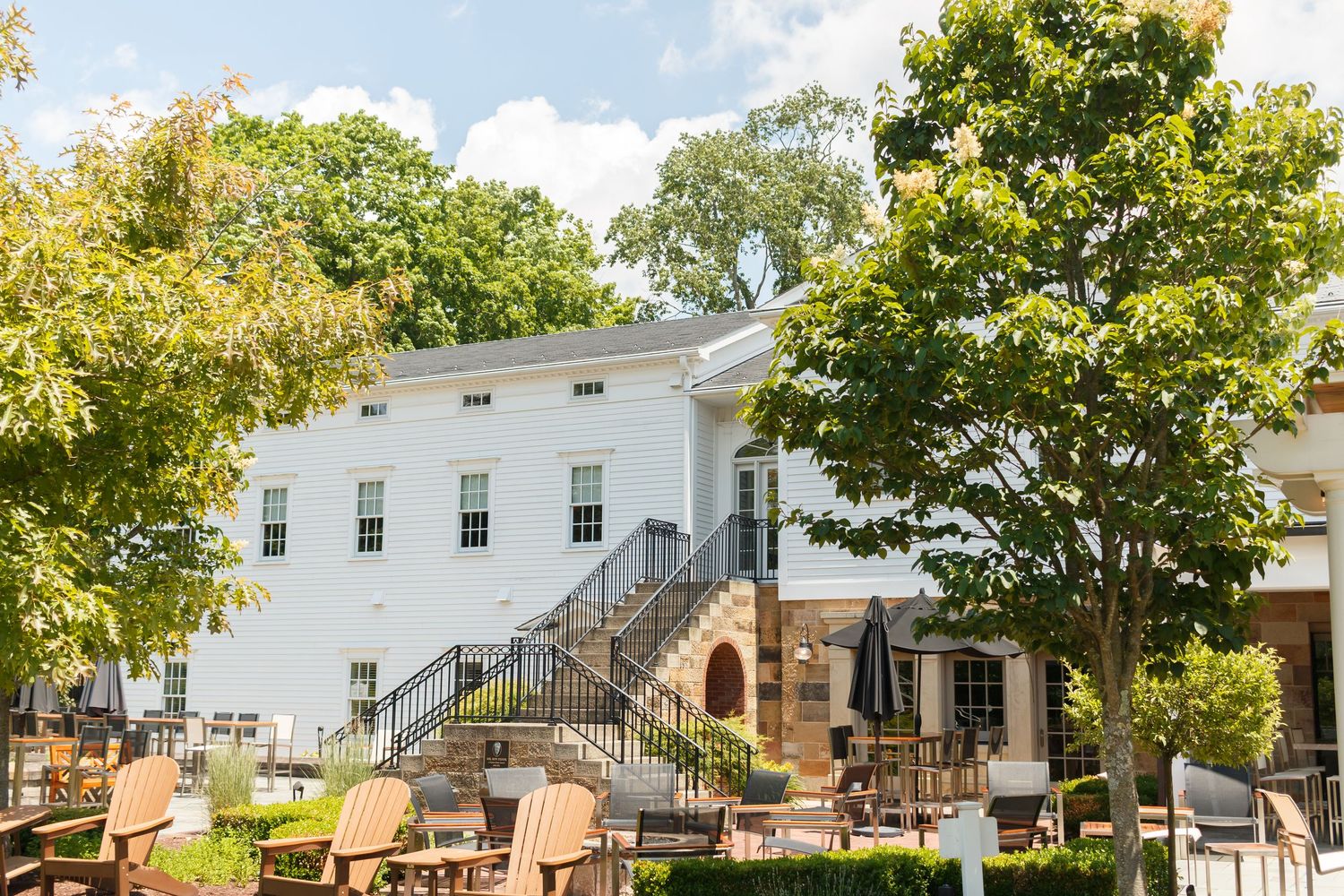
Peter Allen Inn is one of the most unique historic wedding venues in Northeast Ohio, not because it was designed to be beautiful, but because it was originally built in 1821 as a working home in the early Western Reserve.
Walking the property as a photographer feels less like arriving at a venue and more like stepping into a preserved piece of American history.
The History Behind the Home
The inn was originally built for Dr. Peter Allen, Kinsman’s first physician.
He arrived in the area in the early 1800s and became one of the region’s most important early medical practitioners, serving families across rural Northeast Ohio at a time when travel was difficult and medicine was still developing in the United States.
This home was not symbolic—it was functional. It was lived in, worked in, and deeply tied to the early development of the community.
That history is still present in the structure today.

The Architecture That Shapes Everything
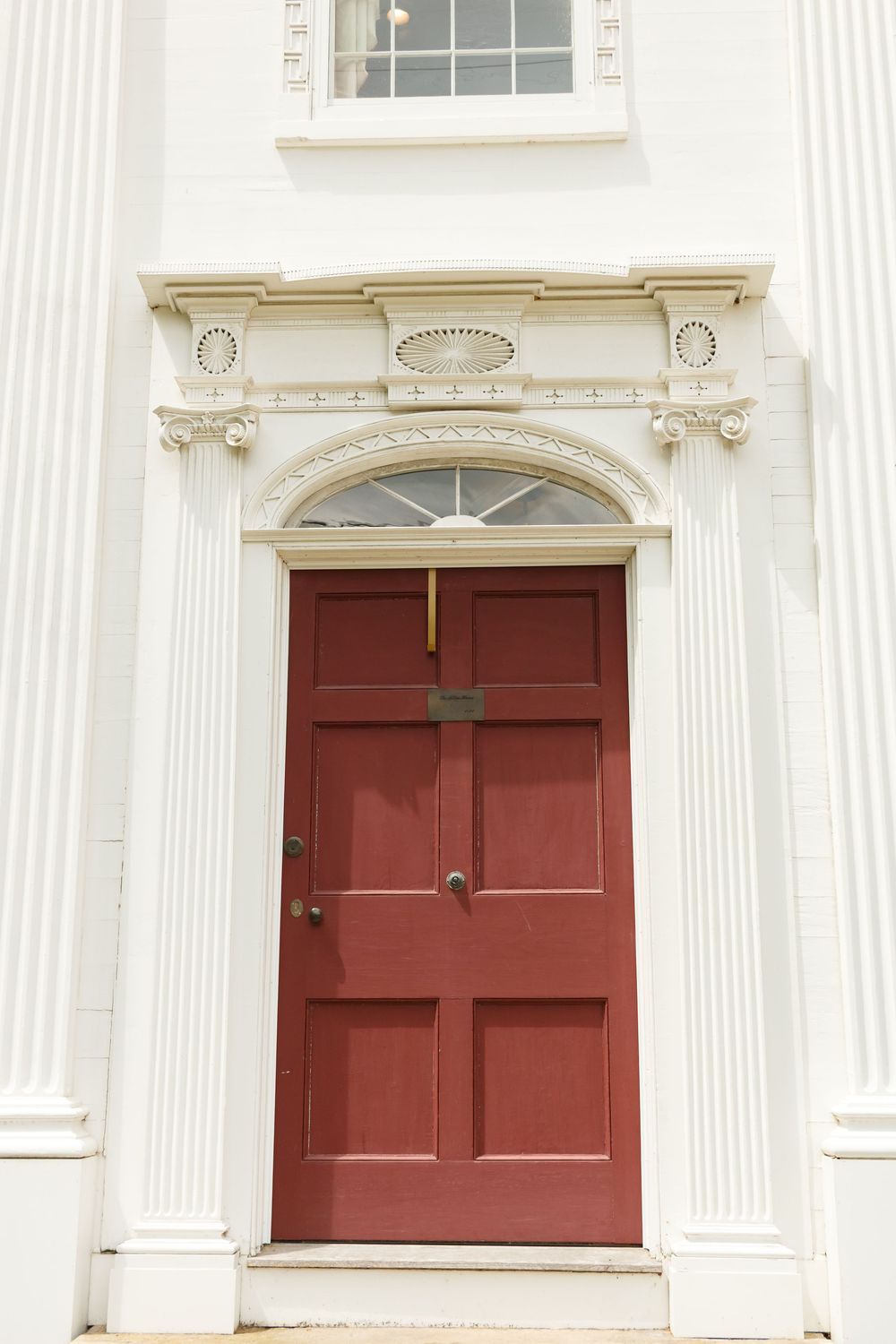
The home was built in a Federal architectural style, which came to Ohio through settlers from New England during the Western Reserve era.
What makes that important visually is this:
Federal architecture was designed around balance, symmetry, and proportion.
You can feel that immediately when you’re photographing there.
- Centered, intentional framing
- Clean structural lines
- Soft, natural rhythm in window placement
- A quiet sense of order in every direction
Nothing about the building feels accidental.
And as a photographer, that changes how you shoot—you stop forcing compositions, because the architecture is already doing it for you.
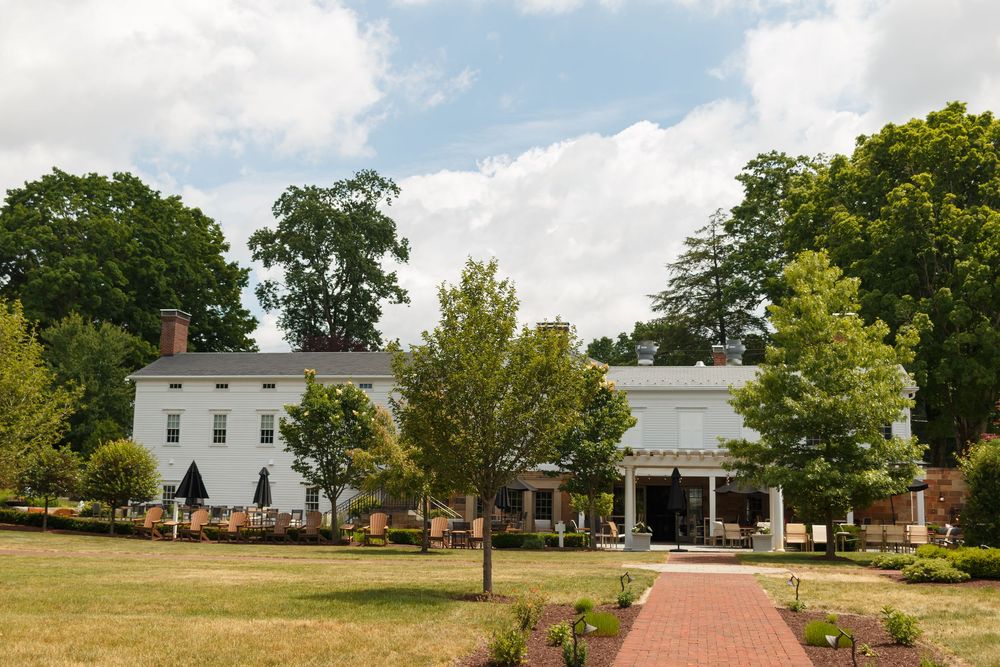
One of the most striking parts of photographing this property is the texture.
This is not a modern venue trying to look historic.
It is historic.
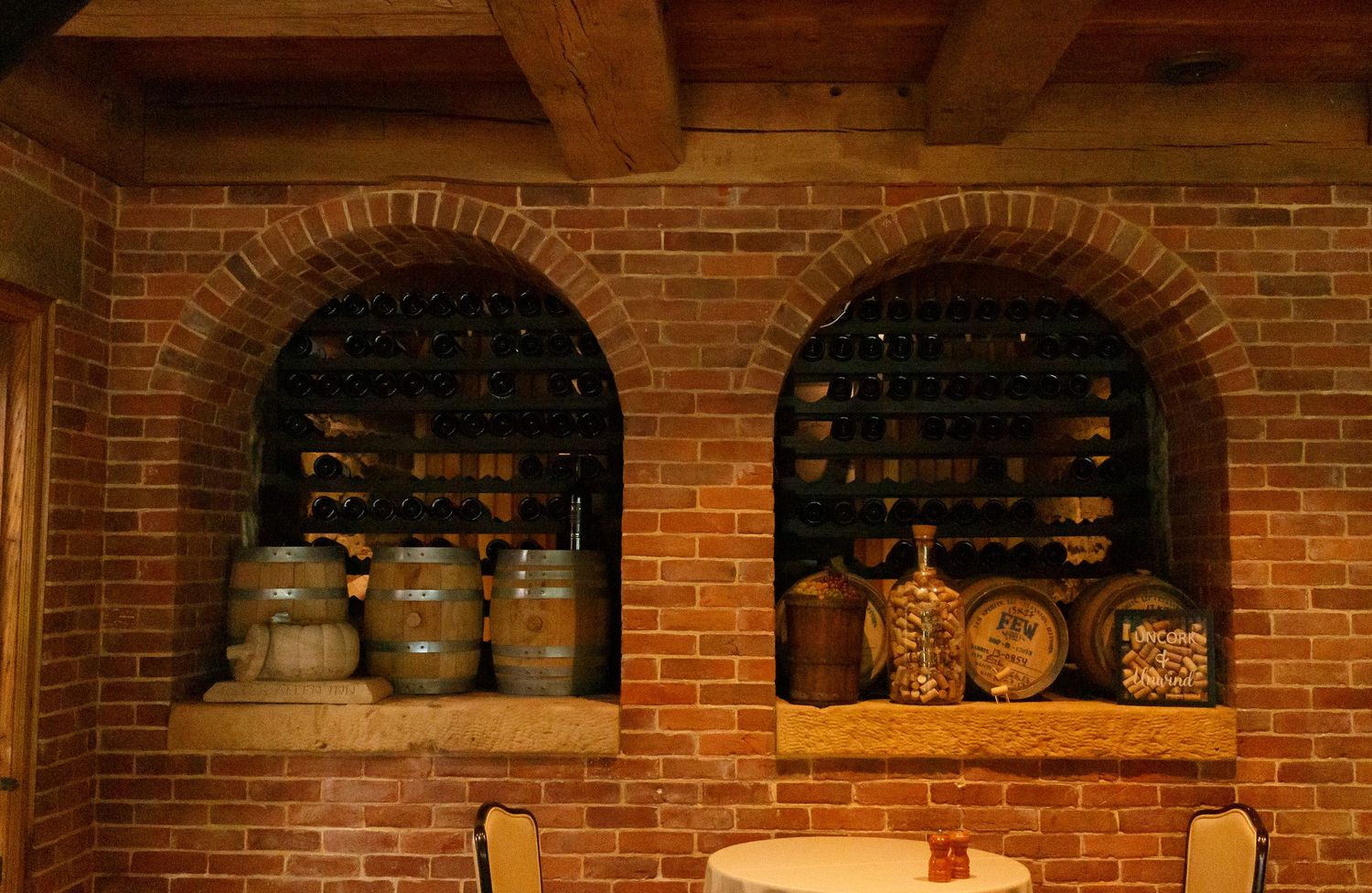
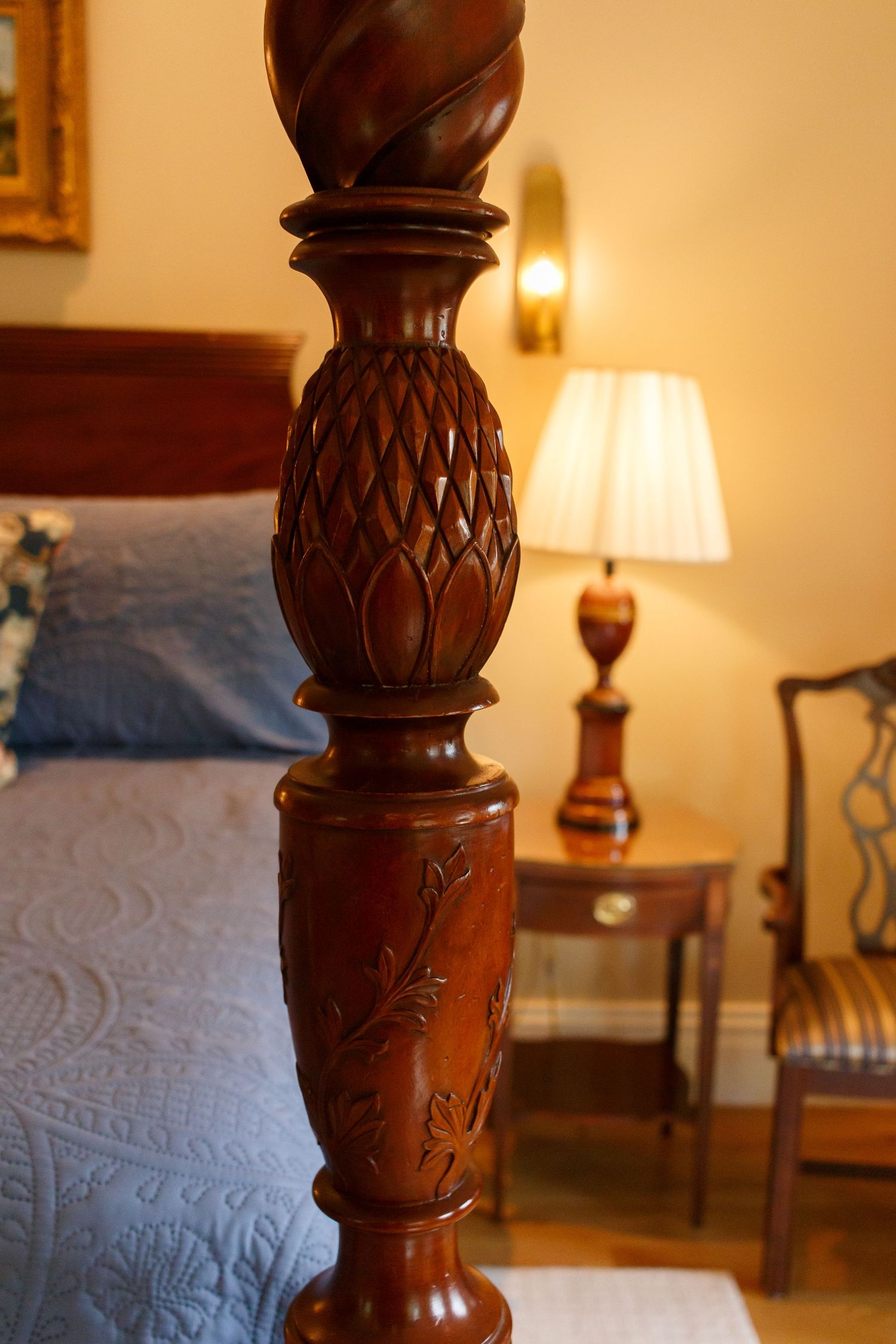
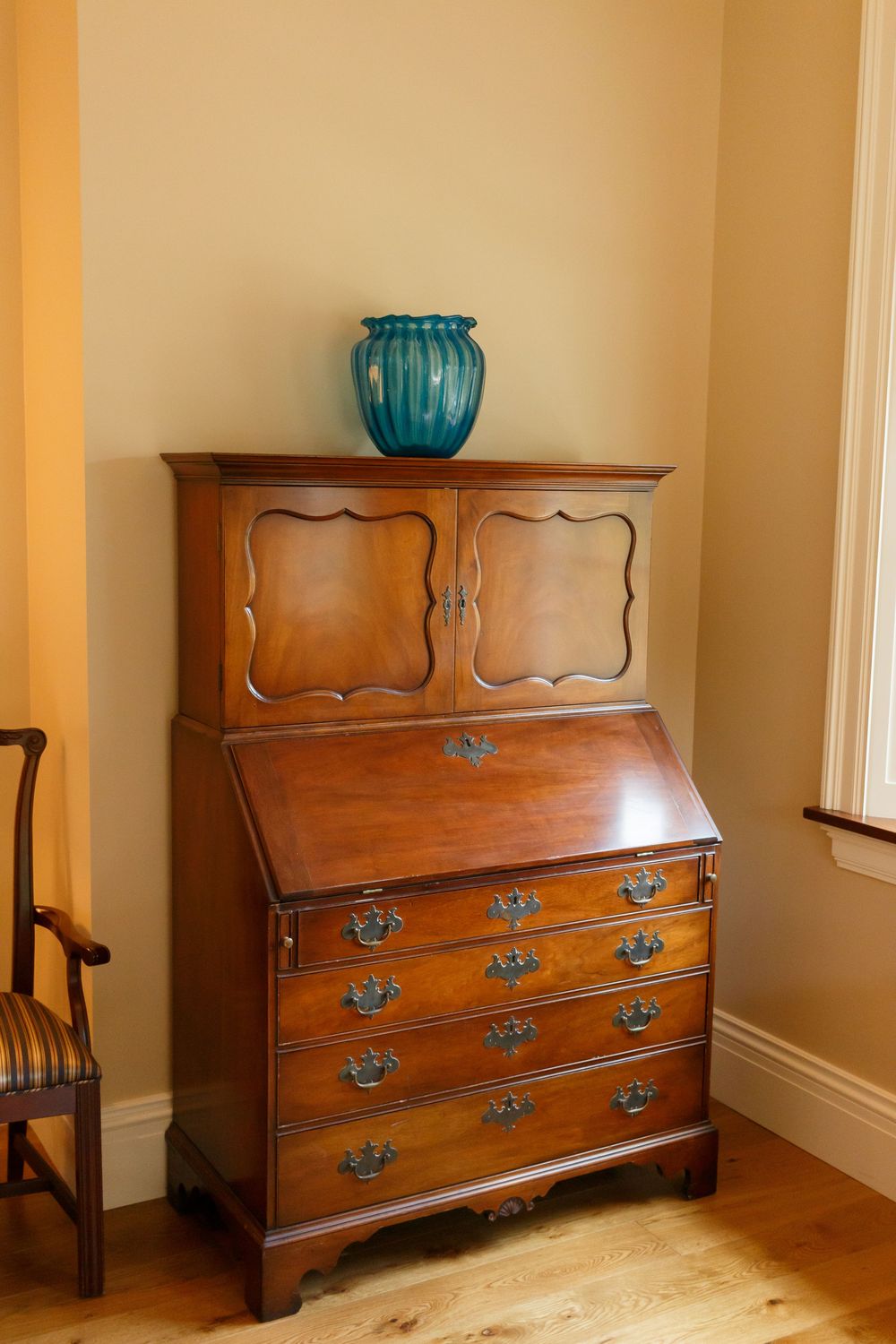
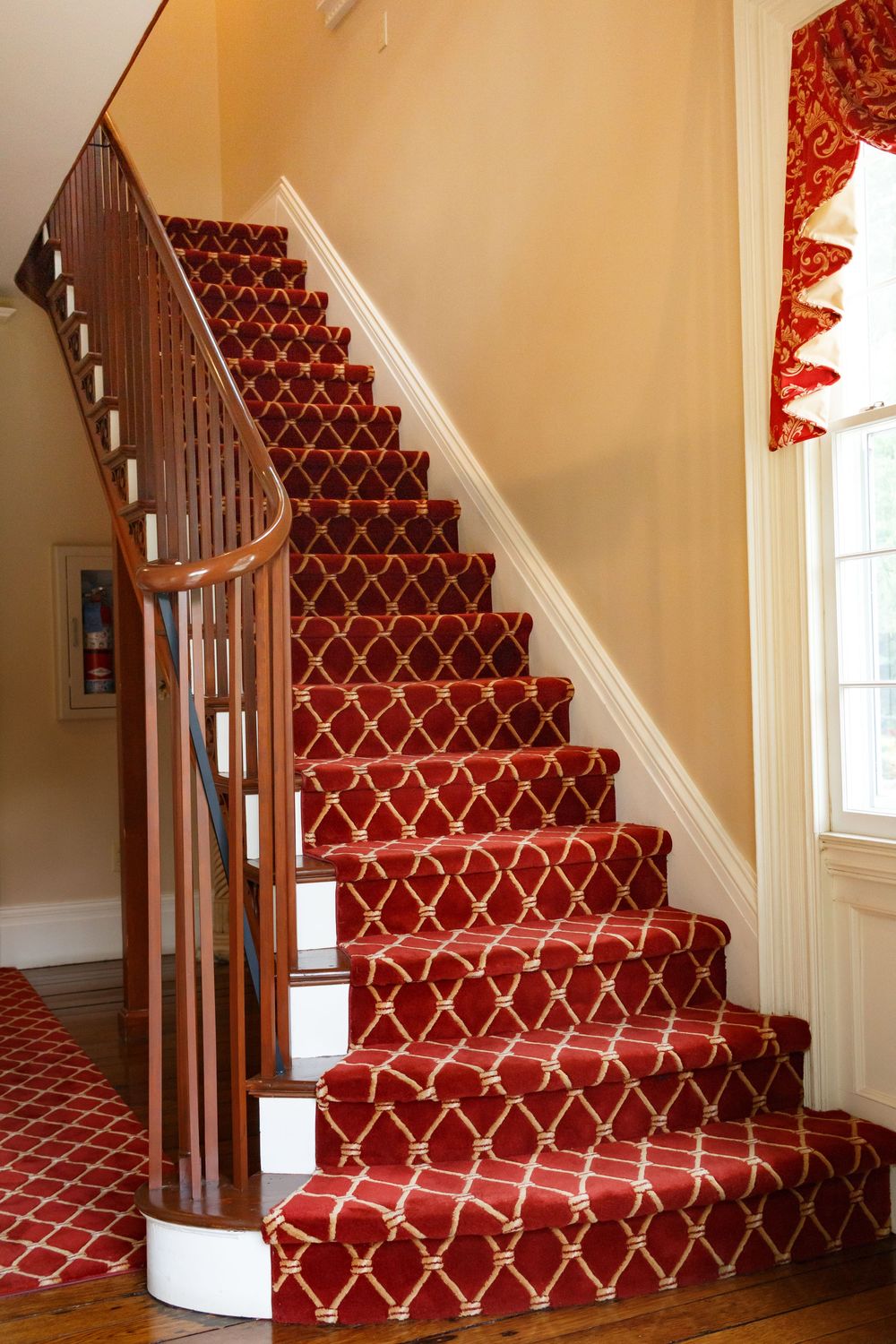
Brick, wood, and stone carry visible age that interacts differently with light than new construction. Window frames soften sunlight. Interior spaces feel layered rather than manufactured.
Light doesn’t just hit the space here—it moves through history.
That’s what makes it so powerful for weddings and portraits.
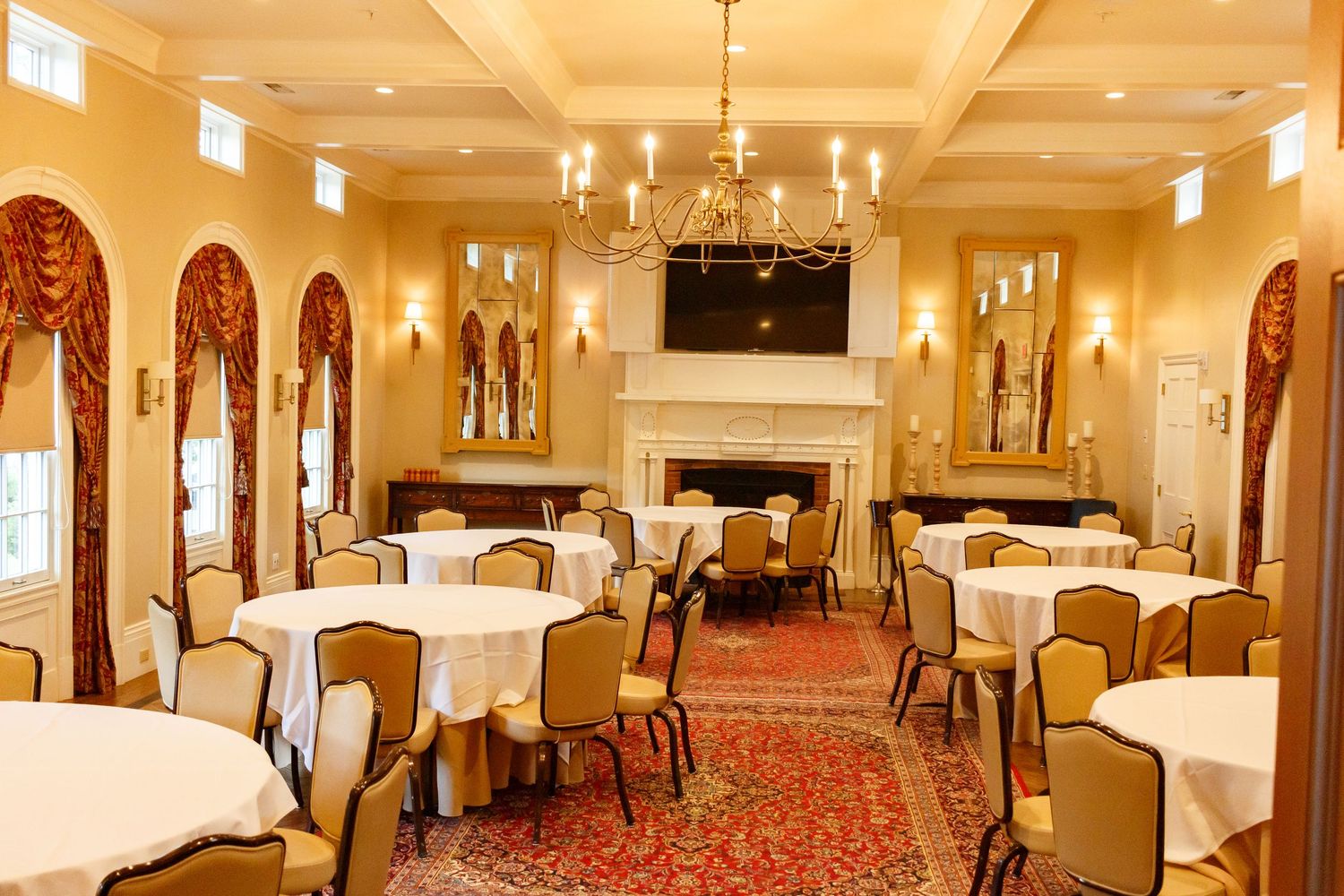
Preservation & Restoration
Like many historic homes in Ohio, the Peter Allen House went through decades of change, ownership, and time before being restored.
What makes this property different is how carefully it was documented and preserved.
Historic architectural drawings and records helped guide restoration efforts, ensuring the home’s original structure and Federal-style identity were maintained.
Today, it exists as a restored inn and event space while still honoring its original architecture.